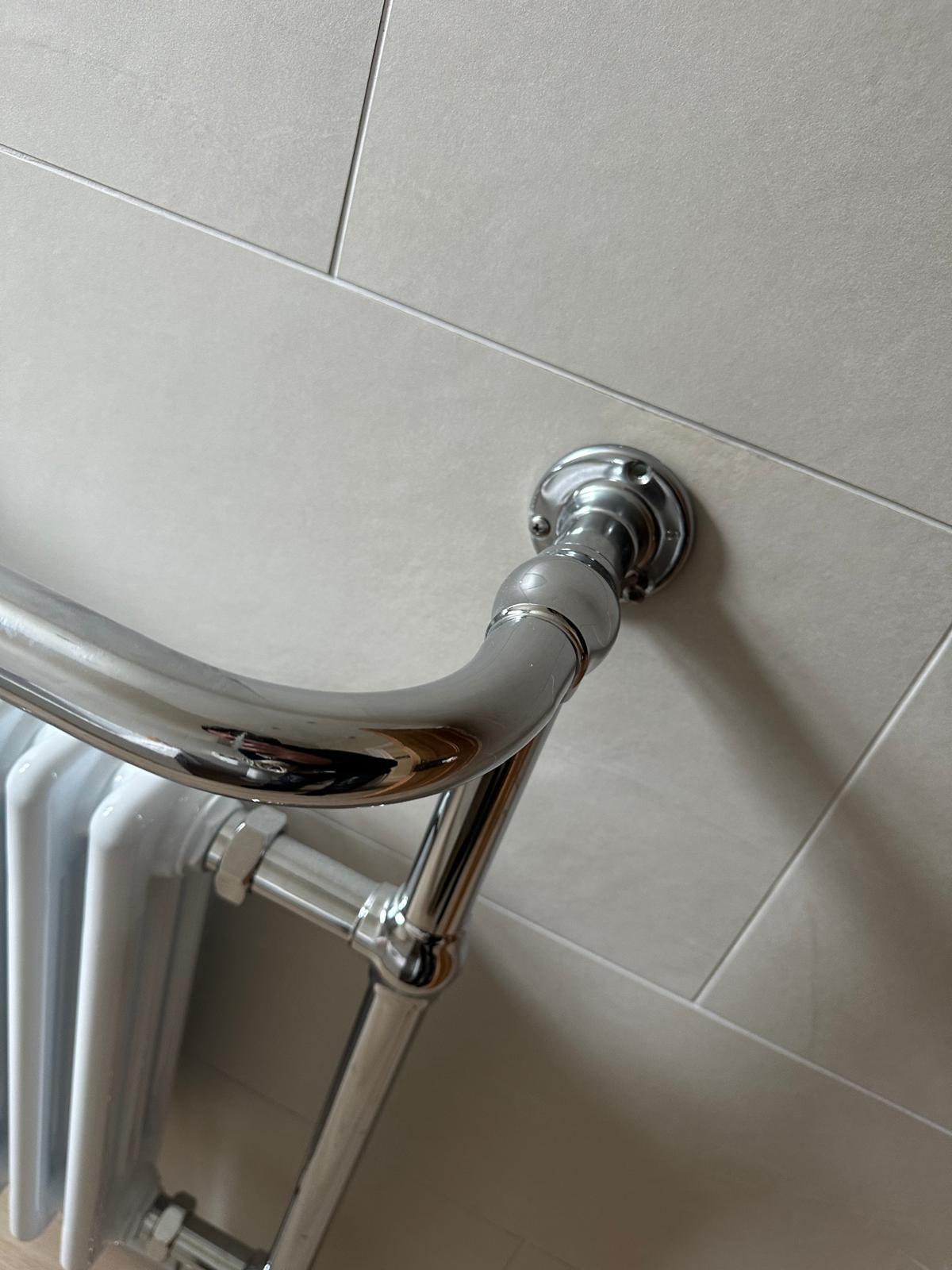
Cracked, chipped or loose tiles can make an otherwise well-kept room look tired, and water can find its way behind damaged finishes. Professional Tile Repair in Rainham offers a practical alternative to pulling out whole sections of tiling, particularly where the surrounding tiles are sound or difficult to match. From a small impact chip beside a shower to a scratched kitchen splashback or worn floor tile, a carefully completed in-situ repair can restore the appearance and help protect the surface beneath.
Why Tile Repair in Rainham Is Often the Sensible Choice
Replacing a single tile is not always straightforward. Grout may crack while it is being removed, adjoining tiles can be disturbed, and an older tile range may no longer be available. There is also the risk of damaging tanking, waterproof boards or pipework behind a tiled wall. A targeted repair addresses the visible defect while leaving sound tiles in place. This can reduce disruption in bathrooms, kitchens, entranceways and commercial washrooms, where a full replacement would create more mess, downtime and expense.
A successful repair begins with identifying both the material and the cause of damage. Ceramic and porcelain tiles have different finishes, while natural stone, quarry tiles and glazed wall tiles each need an appropriate preparation and colour-matching approach. A chip caused by a dropped object may only need local restoration; repeated cracking, however, can indicate movement in the background, a loose tile or moisture ingress. Repairing the surface without investigating these warning signs may only provide a short-term result.
What to Expect From Tile Repair in Rainham
The process normally starts with an assessment of the tile, its surrounding grout and the location of the damage. The damaged area is cleaned and stabilised before a suitable filling material is applied in thin, controlled layers. Once shaped to follow the tile’s profile, the repair is colour matched and finished to blend with the original sheen, whether that is matt, satin or gloss. Fine patterning, veining and speckling can also be recreated where necessary, rather than leaving an obvious plain patch.
Drying and curing times depend on the repair system, temperature and humidity. A repaired tile should not be exposed to heavy cleaning, standing water or impacts until the technician confirms it is ready for normal use. In shower areas, this aftercare matters particularly: sealants, grout and repaired edges must be allowed to cure properly before the enclosure is used. Clear guidance on cleaning products helps prevent dulling or scratching a newly restored finish.
Matching the Repair to Your Tile and Room
For Tile Repair in Rainham, colour is only one part of the match. Light reflects differently from a textured porcelain tile than from a smooth glazed ceramic tile, so the level of sheen and the direction of any surface pattern are equally important. Repairs near windows, under bright bathroom lighting or across a floor threshold need especially careful blending because these areas attract the eye. A good result aims to make the damage difficult to notice at normal viewing distance, rather than promising that every defect will be invisible at close inspection.
It is wise to deal with chips before they become larger. Sharp edges can catch bare feet, towels or cleaning cloths, and damage around a shower fitting can allow moisture to reach the substrate. If a tile sounds hollow, moves when pressed or has cracking that extends into the grout lines, the underlying installation may need attention first. Surface restoration is ideal for localised cosmetic damage on an otherwise stable tile, but it is not a substitute for correcting an active leak or failed backing.
Safe, Tidy Work for Tile Repair in Rainham
Professional work should protect nearby surfaces and keep the area usable with minimum disturbance. Dust control, ventilation and sensible handling of repair materials are particularly relevant in occupied homes, hotels and retail premises. Where access involves ladders, raised areas or work near a construction zone, the HSE construction guidance is relevant alongside the Work at Height Regulations 2005, which require work at height to be properly planned, appropriately supervised and carried out by competent people. These practical safeguards help reduce avoidable risks while repairs are completed.
Repair rather than replacement can also avoid sending serviceable tiles, adhesive and packaging to waste. This approach is consistent with the Waste Prevention Programme for England, which focuses on maximising resources and minimising waste. It is a useful consideration where matching tiles are scarce, a property is being prepared for sale, or a business needs an attractive result without closing an area for extensive works.
Frequently Asked Questions
These common questions can help you decide whether a localised repair is suitable for your damaged tiles.
Can a chipped tile be repaired without removing it?
Yes, many chips and small surface losses can be restored in place. The damaged section is filled, shaped and colour matched, avoiding the risks involved in removing a tile that is firmly fixed and surrounded by sound grout.
Will the repaired area be completely invisible?
A quality repair is designed to blend closely with the surrounding surface, including colour and sheen. Results depend on the tile’s texture, pattern, lighting and the extent of the damage, but it should be far less noticeable in everyday use.
Can repairs be carried out in showers and bathrooms?
Yes, provided the tile and substrate are stable and there is no unresolved leak or water damage. The repaired area must be given the stated curing time before it is exposed to shower water or regular cleaning.
Should I repair a cracked floor tile?
A local repair may be appropriate for a stable tile with superficial damage. If the crack is widening, the tile is loose or nearby grout is splitting, the floor movement or subfloor condition should be checked before cosmetic work begins.
For an honest assessment and a tidy alternative to replacement, Damage Genie provides Tile Repair in Rainham for homes, aftercare work and commercial spaces. Their surface repair service can assess localised tile damage, explain the likely outcome and help you retain a finish that still has plenty of life left.