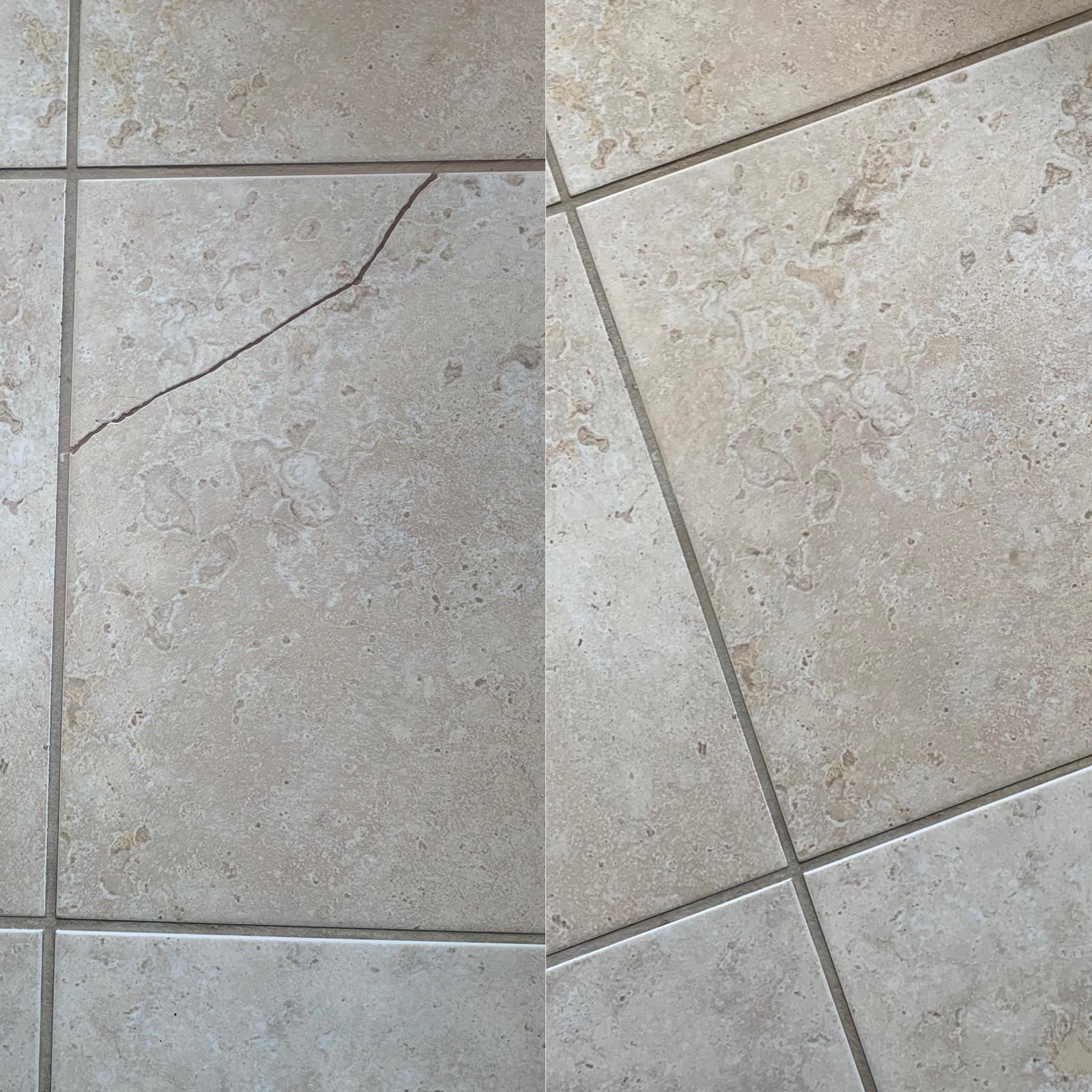
Tile Repair in Folkestone can restore the appearance and usefulness of chipped, cracked, stained or drilled tiles without the disruption of removing an entire wall or floor. A single damaged tile can draw attention in an otherwise well-kept bathroom, kitchen, hallway or commercial space. Professional in-situ repairs are designed to blend with the surrounding surface, helping homeowners, landlords and businesses avoid the cost, mess and matching problems that replacement can bring.
Why Tile Repair in Folkestone Is Often the Sensible Choice
Replacement sounds straightforward, but it is not always the best answer. Spare tiles may no longer be available, and a close-looking alternative can differ in shade, size, texture or glaze once fitted beside older tiles. Removing one tile can also crack neighbouring tiles, damage waterproofing behind a shower wall, or disturb grout across a larger area. Repairing the original tile preserves the layout and avoids turning a small defect into a wider refurbishment job.
A carefully completed repair can address edge chips, impact marks, hairline cracks, small holes and surface scuffs on ceramic, porcelain and many natural-stone tiles. The technician builds and shapes the damaged area, then colour-matches and refinishes it to suit the tile’s sheen. The aim is a durable, unobtrusive result rather than a patch that merely covers the damage.
Common Problems Suitable for Tile Repair in Folkestone
Bathroom tiles are frequently damaged by dropped bottles, shower-screen fittings and old accessory holes. Kitchen splashbacks can suffer from heat marks, chips and marks left after removing shelves or fixtures. Floor tiles may crack after a heavy object is dropped, while entrance areas can develop worn or chipped edges from repeated foot traffic. In rental properties, small tile defects are also common at the end of a tenancy or during pre-sale preparation.
-
Chips on tile corners, edges and faces.
-
Small holes from screws, hooks, rails or redundant fittings.
-
Fine surface cracks and impact damage.
-
Scratches, dull patches and minor glaze loss.
-
Localised damage where matching replacement tiles cannot be sourced.
Not every crack is purely cosmetic. If several floor tiles are loose, grout is repeatedly breaking up, or a shower wall feels soft behind the tiles, there may be movement, moisture ingress or a failed substrate. Those underlying issues should be investigated before a surface repair is carried out, so the finished work has the best chance of lasting.
The Tile Repair in Folkestone Process
The process begins with an assessment of the tile material, the depth of damage and the condition of the surrounding grout and substrate. The damaged section is cleaned and prepared so repair materials can bond properly. Cracks or chips are stabilised and filled in fine layers, then levelled and shaped to follow the original tile profile. This detailed preparation is a key part of achieving a natural-looking finish.
Colour matching is more involved than selecting a single paint colour. Tiles can have flecks, veining, variation and different levels of gloss. A repair specialist may mix several shades and adjust the final finish to resemble matt, satin or gloss surfaces. Once cured, the repair should sit comfortably within the wider tiled area rather than appearing as an obvious isolated mark.
For occupied homes and commercial premises, a tidy work area matters as much as the visual result. Dust, ventilation and safe access need to be considered, particularly in bathrooms and kitchens. The HSE construction guidance supports safe planning and control of construction work, including the principles set out in the Construction (Design and Management) Regulations 2015. This is especially relevant where repairs form part of a larger refurbishment or snagging programme.
Benefits of Tile Repair in Folkestone for Homes and Businesses
Repair is usually faster and less disruptive than replacement because there is no need to remove sound tiles, wait for adhesive to cure across a newly tiled area, or redecorate adjacent finishes. It can be a practical solution for a busy household, a hotel room needing prompt turnaround, a retail unit or a newly completed property with a snagging issue. It also helps retain original tiles that contribute to the character of an older property.
Choosing repair can reduce unnecessary material disposal. The UK Government’s Waste Prevention Programme for England promotes preventing waste and keeping products and materials in use for longer. Restoring a serviceable tile rather than removing it supports that practical approach, while also avoiding the challenge of finding an exact replacement.
Repair or Replacement: Making the Right Decision
Tile Repair in Folkestone is best suited to localised, stable damage where the tile remains firmly fixed and the surrounding installation is sound. It is particularly valuable for discontinued ranges, feature tiles and areas where replacement would mean disturbing waterproofing or multiple matching tiles. A professional assessment can establish whether repair will provide a worthwhile result for the location and level of wear.
Replacement may be more appropriate where tiles are loose over a large area, water has penetrated behind a shower wall, the base beneath a floor is moving, or damage extends through multiple tiles. In these cases, resolving the cause is more important than making the visible surface look better temporarily. Honest advice should distinguish a cosmetic defect from a problem that needs wider remedial work.
Damage Genie provides in-situ surface restoration across Kent and the South East, helping customers retain sound surfaces wherever a repair is appropriate. Their approach is useful for domestic repairs, landlord maintenance, construction aftercare and commercial environments where appearance, turnaround time and minimising disruption all matter.
Frequently Asked Questions
Can a cracked tile be repaired?
Small, stable cracks can often be repaired and visually blended. If the tile is loose, the crack is spreading, or there is movement beneath it, the underlying cause should be addressed before any cosmetic work.
Will the repaired area be noticeable?
A quality repair is designed to be discreet through careful filling, colour matching and sheen adjustment. Very close inspection may still reveal a repair, especially on highly patterned or heavily textured tiles, but it should be far less noticeable in normal use.
Can holes left by bathroom fittings be repaired?
Yes. Small holes from old hooks, shelves, shower screens and accessories can often be filled and colour-matched, avoiding the need to replace an otherwise sound tile.
How long does a tile repair take?
Many local repairs can be completed in one visit, although curing time and access requirements vary with the damage, material and environment. The repaired area should be treated carefully until the technician confirms it is ready for normal use.
For dependable Tile Repair in Folkestone, Damage Genie can assess the damage and recommend a practical repair solution that helps your tiled surface look its best again.