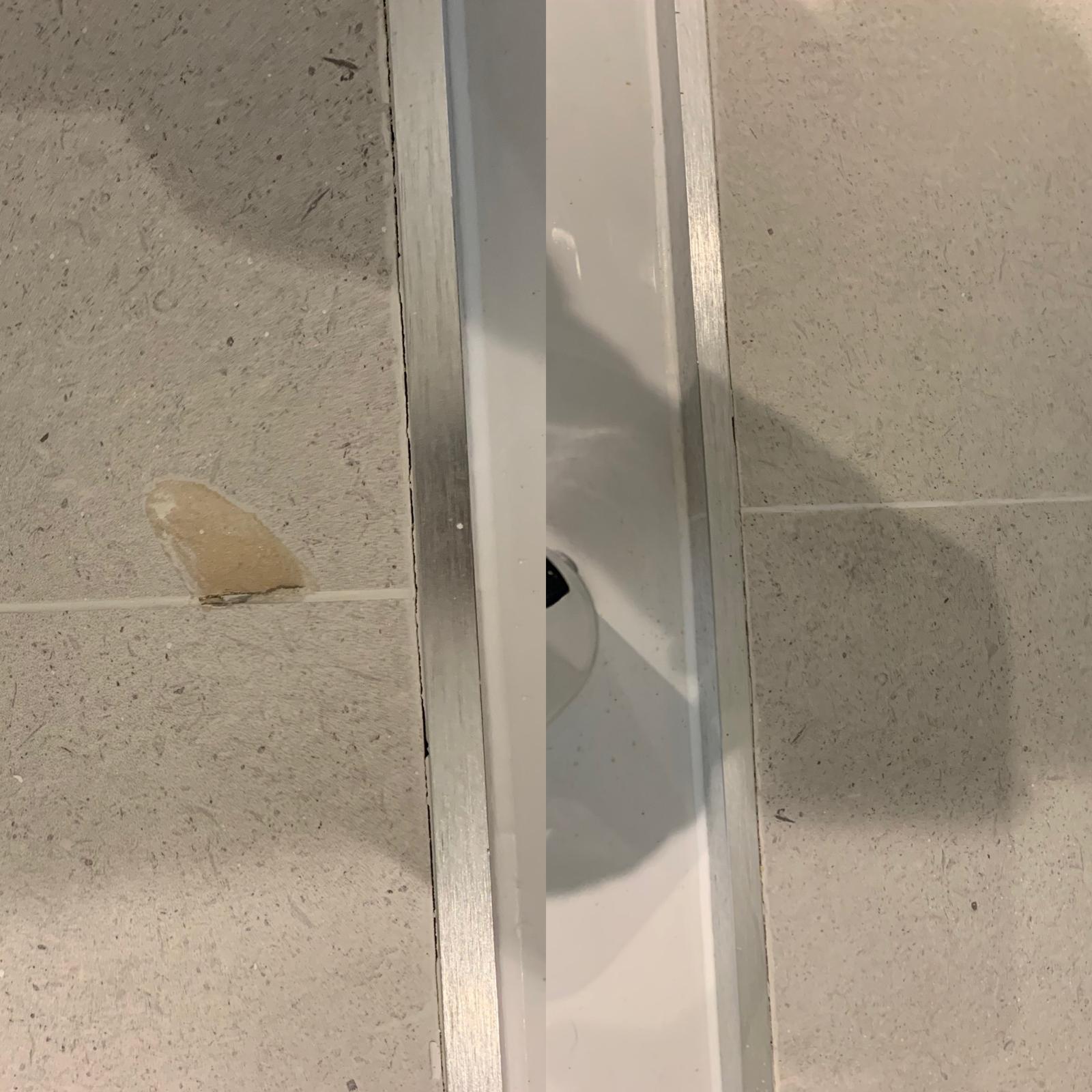
Cracked Tile Repair in Canterbury: A Practical Alternative to Replacement
Cracked Tile Repair in Canterbury offers homeowners, landlords and businesses a practical way to restore damaged wall and floor tiles without removing and replacing the entire surface. A professionally completed repair can improve the appearance of a room, prevent damage from becoming more noticeable and avoid the disruption associated with sourcing matching replacement tiles.
Properties across Canterbury contain a wide range of ceramic, porcelain, stone and patterned tiles. Some may have been installed many years ago, making exact replacements difficult or impossible to find. Damage Genie uses specialist repair systems, careful colour matching and skilled finishing techniques to restore damaged areas in situ, often within a matter of hours.
What Causes Cracked Tiles?
Tiles can crack for several reasons. A heavy object may be dropped onto a tiled floor, furniture may be moved without adequate protection, or a bathroom fitting may strike a wall tile. Drilled holes, accidental impact and damage during building work can also leave tiles chipped, fractured or marked.
Movement beneath the tile is another possible cause. If the subfloor flexes, the adhesive has not bonded correctly or the surface beneath the tile shifts, pressure can lead to visible cracks. Temperature changes and moisture can also affect some tiled areas, particularly kitchens, bathrooms, entranceways and conservatories.
Before carrying out a cosmetic repair, the likely cause should be considered. A single impact crack can often be repaired directly, while repeated cracking across several tiles may indicate movement or another underlying issue that needs attention.
How Cracked Tile Repair in Canterbury Is Completed
The repair process begins with an assessment of the damaged tile, its material, colour, texture and surrounding finish. Loose fragments, dirt and contaminants are removed before the damaged area is carefully prepared. This creates a stable surface for the specialist repair material to bond to.
The crack, chip or hole is then rebuilt using suitable compounds. Once cured, the repaired section is shaped and levelled so that it follows the original surface. The technician recreates the tile’s colour, markings and pattern by hand, blending the repair into the surrounding area rather than applying a basic one-colour filler.
A protective finish is applied where required to reproduce the tile’s sheen, whether it is matt, satin or gloss. The aim is to make the repaired area unobtrusive under normal lighting and viewing conditions. Experienced technicians can work with plain tiles as well as designs featuring speckles, veins, marbling or decorative details.
Benefits of Cracked Tile Repair in Canterbury
Repairing a tile is generally less disruptive than replacing it. Removing a damaged tile can affect nearby grout lines, waterproofing, adhesive and adjoining tiles. There is also a risk of damaging the surface behind it, particularly where tiles have been fitted over plasterboard, tanking systems or underfloor heating.
A targeted repair avoids much of this disturbance. There is usually less noise, dust and debris, and the surrounding tiles can remain untouched. This makes the service useful in occupied homes, rented properties, hotels, restaurants, shops and other settings where keeping disruption to a minimum matters.
Repair can also provide a more sustainable solution. Keeping an existing tile in place reduces the need for new materials and limits avoidable waste. This approach supports the resource-efficiency principles promoted by WRAP, particularly where a surface remains functional and only a small section is damaged.
Cost is another important consideration. Replacing one tile may sound straightforward, but the final expense can include labour, removal, disposal, new materials, grout matching and making good. If the original tile is discontinued, replacing a wider section may be the only alternative. Repairing the localised damage can prevent that unnecessary escalation.
Where Cracked Tile Repair in Canterbury Can Be Used
Tile repairs can be completed in bathrooms, kitchens, hallways, utility rooms, wet rooms and other tiled spaces. Common jobs include repairing chips along tile edges, filling drilled holes left by removed fittings, restoring impact damage and disguising cracks across decorative surfaces.
The service is suitable for private homes as well as construction aftercare and commercial properties. Builders and developers may require repairs to newly installed tiles during snagging, while landlords may need damage corrected between tenancies. Hotels, restaurants and retailers can use professional repairs to maintain clean, presentable customer-facing areas without closing rooms or sections for extensive replacement work.
Safe working practices are especially important on active sites and in busy commercial environments. The Health and Safety Executive’s construction guidance provides information on managing risks and protecting workers and members of the public during construction-related activities.
Choosing a Professional Tile Repair Service
A successful tile repair depends on more than filling the damaged area. Accurate colour matching, surface shaping, pattern recreation and sheen adjustment all affect the finished result. A poorly matched repair may remain highly visible or fail prematurely if unsuitable products are used.
Damage Genie combines practical experience with specialist repair methods developed through years of work on hard surfaces. Repairs are carried out on site, helping customers avoid the inconvenience of removing fixtures, ordering replacement tiles or undertaking unnecessary renovation work.
Photographs can often help determine whether a tile is suitable for repair. Clear images of the damage, the whole tile and the surrounding area allow the technician to understand its size, finish and location before arranging a visit.
Frequently Asked Questions
Can every cracked tile be repaired?
Many cosmetic cracks, chips, holes and impact marks can be repaired. However, tiles that are loose, severely broken or repeatedly cracking because of structural movement may require further investigation or replacement.
Will the repaired section be noticeable?
Professional colour matching and pattern recreation are intended to make the repair blend closely with the original tile. The final visibility depends on the tile design, damage and lighting, but high-quality repairs are usually difficult to identify during normal use.
How long does a tile repair take?
Many individual tile repairs can be completed within a few hours. More complex patterns, extensive damage or multiple repairs may require additional time.
Is repair suitable for bathroom and kitchen tiles?
Yes. Repairs can be completed on many tiled walls, floors and splashbacks, provided the tile and surrounding surface are stable and suitable for restoration.
Whether the damage affects a single bathroom tile, a kitchen floor or a commercial tiled area, professional restoration can save time, reduce waste and preserve the original finish. Contact Damage Genie to discuss the damage and arrange a convenient assessment of the company’s tile and hard-surface repair services.