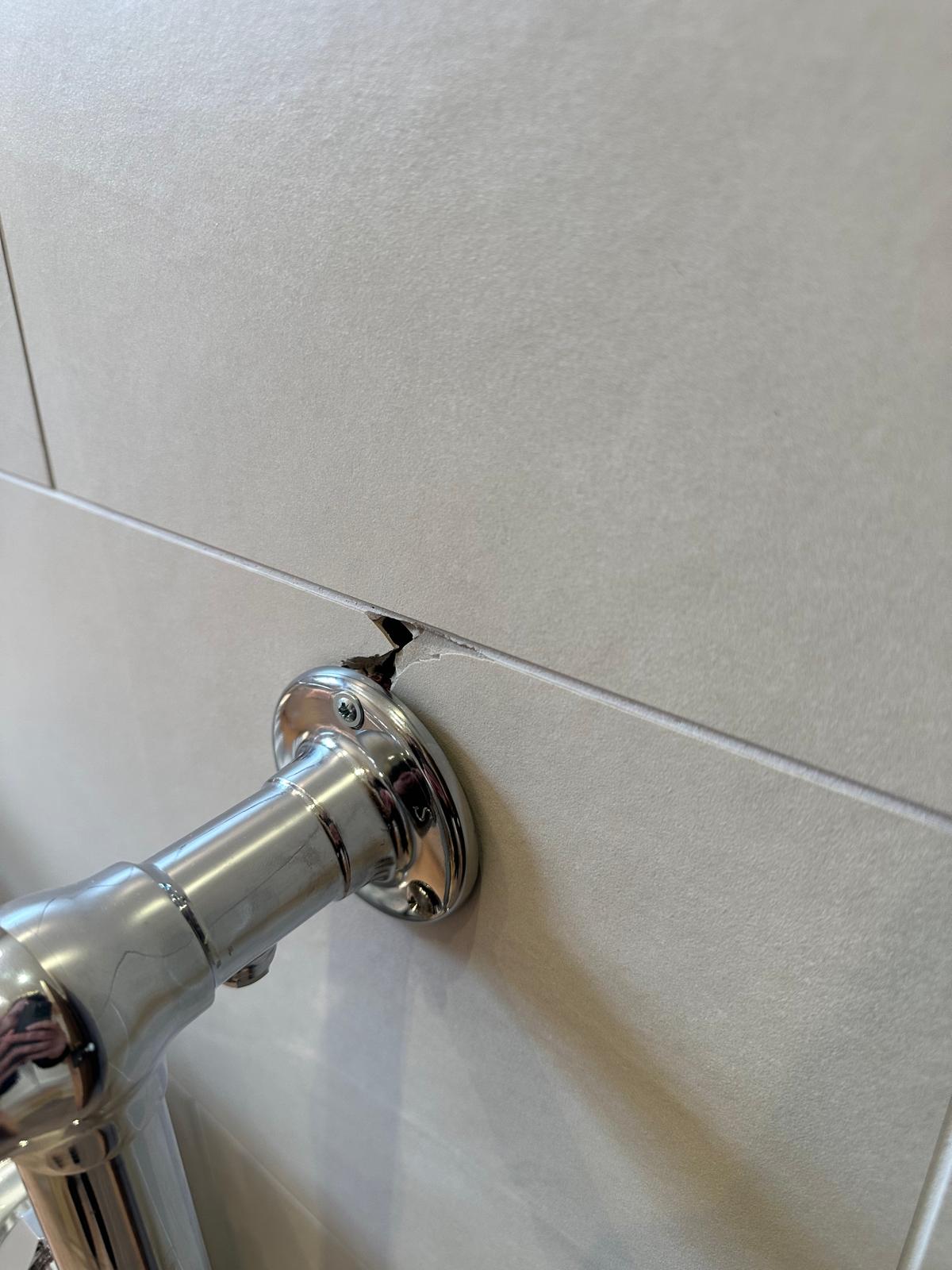
Tile Repair in Canterbury: A Practical Alternative to Replacing Damaged Tiles
Damaged tiles can quickly affect the appearance of a kitchen, bathroom, hallway or commercial space. With professional Tile Repair in Canterbury, chips, cracks, drill holes and other localised damage can often be restored without removing and replacing the entire tile. Damage Genie provides specialist surface repairs designed to blend carefully with the surrounding finish, helping homeowners, landlords, builders and businesses achieve a clean, durable result with minimal disruption.
Why Choose Tile Repair in Canterbury Instead of Replacement?
Replacing a damaged tile can sound simple, but the reality is often more complicated. The original tile may have been discontinued, the surrounding tiles could be difficult to remove without further breakage, or access may require fixtures and fittings to be disturbed. Even where a matching replacement is available, removing adhesive and preparing the area can create dust, noise and unnecessary inconvenience.
A specialist repair focuses on the damaged section itself. Depending on the tile material and type of damage, the area can be prepared, filled, shaped, coloured and finished to reduce the visual impact of the defect. This approach is particularly useful for isolated chips, small cracks, screw holes and impact damage where the rest of the installation remains in good condition.
Repair can also support a more resource-conscious approach to property maintenance. Avoiding unnecessary removal may reduce demand for replacement materials and limit waste from otherwise serviceable surfaces. This reflects the wider principles promoted by WRAP, which encourages more efficient use of resources and waste reduction.
Common Problems Suitable for Tile Repair in Canterbury
Tiles are durable, but they are not immune to everyday damage. Heavy objects can chip floor tiles, bathroom fittings can leave drilled holes after being moved, and wall tiles can crack following impact or movement. Kitchen tiles may also suffer edge damage during appliance installation, refurbishment work or general household use.
Professional repair may be suitable for ceramic, porcelain and other tiled surfaces, although every job needs to be assessed individually. The position, depth and extent of the damage all influence what can realistically be achieved. A small chip on a visible edge may require precise shaping and colour matching, while a drilled hole may need careful filling before the surface finish is recreated.
Damage Genie uses specialist repair methods developed through practical surface restoration experience. The aim is not simply to cover damage, but to rebuild the affected section and blend it as closely as possible with the surrounding tile. This can be especially valuable where replacement tiles are unavailable or where removing one tile risks disturbing neighbouring surfaces.
How the Tile Repair Process Works
A typical repair starts with an assessment of the damaged tile and the surrounding area. The technician considers the material, colour, pattern, texture and level of wear before deciding on the most appropriate repair method. The damaged section is then prepared so that repair materials can bond effectively and the finished area can be shaped accurately.
Once the defect has been stabilised and filled, careful colour matching becomes a major part of the work. Tiles are rarely a single flat colour. They may contain speckling, veining, tonal variation, mottling or printed detail. Matching these characteristics requires patience and practical skill, particularly on decorative or patterned surfaces.
The final stage is to refine the finish so that the repaired area sits naturally within the surrounding surface. Gloss level and texture can make a major difference to the result. A good repair should avoid drawing unnecessary attention to the original damage while providing a practical finish for normal use.
Tile Repair in Canterbury for Homes and Rental Properties
For homeowners, Tile Repair in Canterbury can provide a convenient solution when a bathroom or kitchen is generally in good condition but one or two tiles have become damaged. Rather than starting a larger refurbishment project, a targeted repair can help restore the appearance of the space while keeping disruption under control.
Landlords and property managers may also benefit from repair services between tenancies or following accidental damage. Small chips and holes can make an otherwise well-presented room look neglected, particularly during inspections or viewings. Addressing localised defects can help maintain the overall standard of the property without replacing complete tiled areas unnecessarily.
Damage Genie also works across a wider range of hard surfaces, making professional repair useful where several different defects need attention during property maintenance. This can include damaged worktops, baths, basins, shower trays, flooring, window frames and other finished surfaces.
Repairs for Construction, Hospitality and Commercial Properties
Tile damage is also common during construction, refurbishment and fit-out work. Newly installed surfaces can be chipped by tools, access equipment or other trades before a project is handed over. In these situations, replacing a tile may delay completion, create additional snagging work or risk damaging finished areas nearby.
Specialist repair can be particularly useful for developers, builders and site managers dealing with localised defects before handover. Safe, organised working practices remain essential on active sites and commercial premises, and the HSE Construction Guidance provides useful information on managing risks during construction activities.
Hotels, restaurants, shops and other customer-facing businesses may also prefer repair because it can reduce disruption. A chipped wall or floor tile can affect presentation, but a full replacement may require more downtime than is practical. Targeted restoration can help maintain the appearance of the premises while avoiding a larger intervention where appropriate.
Frequently Asked Questions
Can every cracked tile be repaired?
No. Suitability depends on the cause, position and severity of the crack. If the tile is loose, unstable or affected by significant movement underneath, replacement or further investigation may be more appropriate. A professional assessment can determine whether repair is realistic.
Will the repaired area be completely invisible?
The aim is to blend the repair as closely as possible with the surrounding tile, but results depend on the material, pattern, lighting and extent of the original damage. Specialist colour matching and finishing techniques can greatly reduce the visibility of many defects.
Can patterned tiles be repaired?
In many cases, yes. Patterned tiles require more detailed colour matching and recreation of local features. The complexity of the design and size of the damaged area will influence the achievable result.
Is repair cheaper than replacing a tile?
It can be, particularly where replacement would involve sourcing discontinued tiles, removing fittings, disturbing adjacent surfaces or carrying out additional making-good work. The best option depends on the individual job.
A chipped, cracked or drilled tile does not always need to be removed. By choosing targeted restoration, property owners can often save time, reduce disruption and extend the useful life of an existing surface. Damage Genie offers professional tile and hard-surface repair services for domestic, construction, hospitality and commercial clients, providing a practical route back to a cleaner and better-presented finish.